
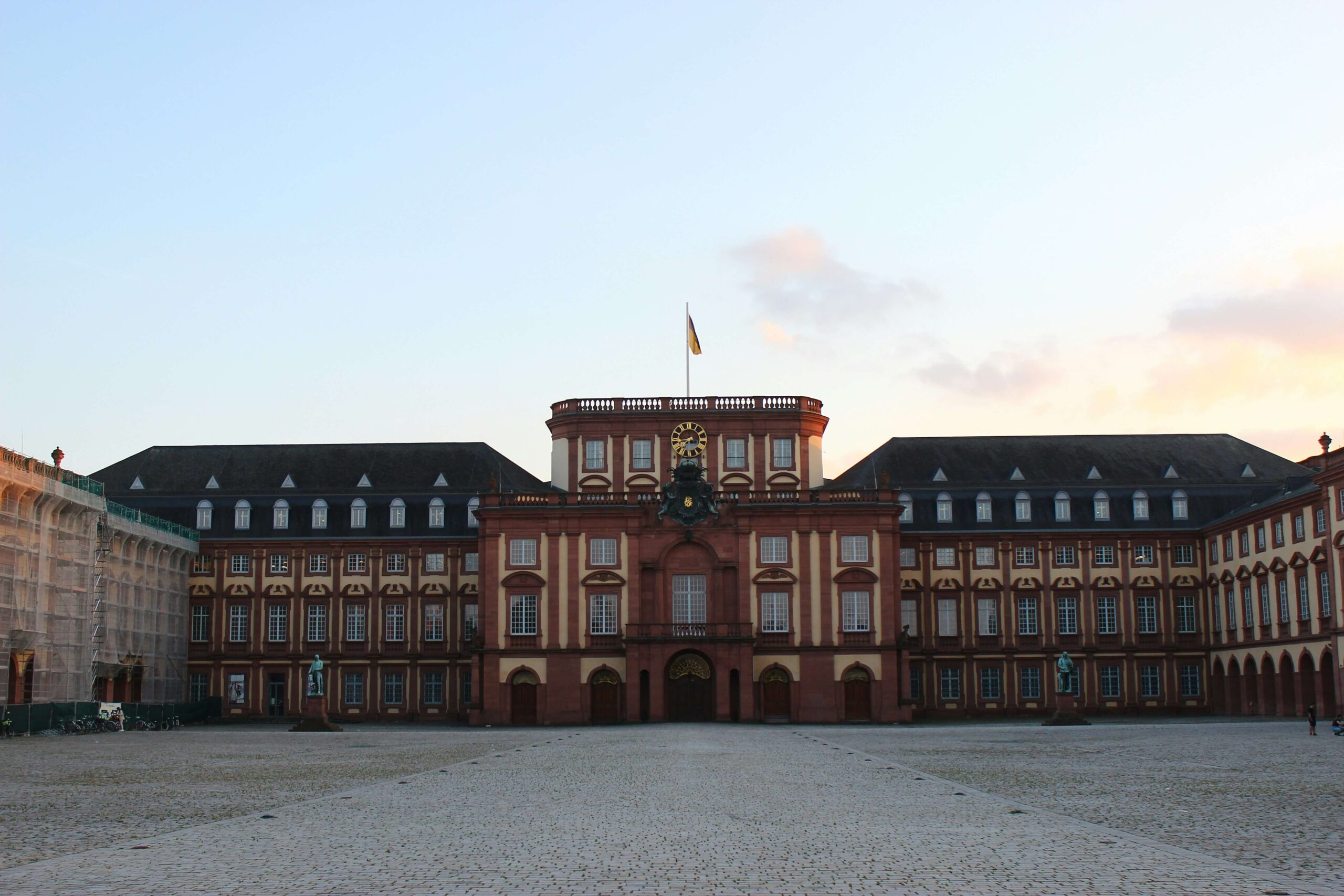
Should you choose Germany’s tuition-free public universities or the flexible, career-focused private ones?
Why Germany for Masters?
Germany has become one of the top 5 destinations for Indian students pursuing Master’s programs. With globally ranked universities, a strong job market, and low education costs, it offers unmatched value.
- Public Universities: Most are tuition-free, charging only semester fees.
- Private Universities: Paid but offer flexibility, English-taught programs, and easier admissions.
- Stay-Back Visa: 18-month job search visa after graduation.
- PR Pathway: High demand for engineers, IT, and business professionals.
Key Differences: Public vs Private Universities in Germany
| Factor | Public Universities | Private Universities |
|---|---|---|
| Tuition Fees | Almost free (only €250–€350 semester fee) | €8,000 – €20,000 per year (₹7–18 Lakhs) |
| Living Cost (per year) | €10,800 – €12,000 (₹9–10 Lakhs) | €10,800 – €12,000 (₹9–10 Lakhs) |
| Medium of Instruction | Many courses in German, limited in English | Wide range of English-taught Master’s programs |
| Admission Competition | Very high; needs strong GPA (70%+) and German | More flexible; accepts 55–60%+ profiles, IELTS ok |
| Application Deadlines | Strict; usually Jan–March (for Winter intake) | Multiple intakes; rolling deadlines |
| Recognition | Highly prestigious worldwide | Industry-focused, often strong corporate links |
| Stay-Back & PR | 18 months + PR eligibility | Same benefits as public |
Cost of Study in Germany (2026 Intakes)
- Public Universities:
- Tuition: Almost free (just semester contribution €500–€700/year ≈ ₹50,000–₹60,000)
- Living: €10,800–12,000/year (₹9–10 Lakhs)
- Total 2-year cost: ~₹20 Lakhs
- Private Universities:
- Tuition: €16,000–€40,000 (2 years) = ₹14–35 Lakhs
- Living: Same as above (~₹18–20 Lakhs for 2 years)
- Total 2-year cost: ~₹35–55 Lakhs
Top Programs to Consider (2026 Intakes)
| Program | Public Universities (avg. salary after MS) | Private Universities (avg. salary after MS) |
|---|---|---|
| Data Science & AI | €55,000 – €70,000 (₹49–62 Lakhs) | €50,000 – €65,000 (₹44–57 Lakhs) |
| Mechanical Engineering | €50,000 – €65,000 (₹44–57 Lakhs) | €45,000 – €60,000 (₹40–53 Lakhs) |
| Management (MBA/MIM) | Limited options, often in German | €50,000 – €70,000 (₹44–62 Lakhs) |
| Cybersecurity & IT | €55,000 – €75,000 (₹49–66 Lakhs) | €50,000 – €70,000 (₹44–62 Lakhs) |
| Biotechnology/Life Sci | €48,000 – €60,000 (₹42–53 Lakhs) | €45,000 – €58,000 (₹40–51 Lakhs) |
Top Universities – Public vs Private
Public Universities
- TU Munich – Strong in engineering, CS, management
- RWTH Aachen – Mechanical & industrial engineering powerhouse
- University of Stuttgart – Automotive and aerospace
- Heidelberg University – Life sciences, medicine
- University of Mannheim – Top for business, economics
Private Universities
- GISMA Business School – Business, management, data science
- EU Business School – MBA and International Business
- Munich Business School – Finance, entrepreneurship
- SRH Berlin University of Applied Sciences – Creative programs, business + tech mix
- Frankfurt School of Finance & Management – Banking, fintech, management
Scholarships & Funding
- DAAD Scholarships – Covers tuition + living for select programs
- Deutschlandstipendium – €300/month for high-performing students
- University Grants – Many private schools offer 10–30% tuition waivers
- Blocked Account – Proof of ~€11,208/year (~₹9.5 Lakhs) required for visa
Post-Study Work & PR Options
- Job-Seeker Visa: 18 months after graduation to find employment
- Work Visa: Once employed, you can apply for EU Blue Card
- PR Eligibility: After 4 years of working in Germany (reduced to 2 years if Blue Card holder with German language B1 level)

Ideal Student Profile – Who Should Apply?
- ✅ Public: Strong academic background (70%+), preferably German language (B1/B2)
- ✅ Private: Students with 55–60%+ in Bachelor’s, seeking English-only programs and career-focused pathways
- ✅ Anyone aiming for long-term career + PR in Europe
FAQs
Q. Can I study in Germany without knowing German?
Yes, at private universities and some public English-taught programs. But learning German boosts job opportunities.
Q. Are private universities worth it in Germany?
Yes, if you want easier admissions, English-taught programs, and multiple intake options.
Q. Which intake should I target for 2026?
- Winter Intake (Oct 2026) → Major intake for public universities (apply by Jan–March 2026).
- Summer Intake (April 2026) → Limited but available in some universities. Private unis have rolling intakes.
Final Thoughts
Both public and private universities in Germany offer strong education and career prospects. If you want prestige + affordability, go for public. If you need flexibility, English courses, or easier admissions, private universities are the way forward. Either way, Germany ensures world-class education and great career opportunities by 2028.
Why Choose UnicPath?
At UnicPath Overseas Education, we simplify your journey:
- 🎯 Profile-based university selection (public + private)
- 📝 SOP, LOR, and Resume guidance
- 💰 Scholarship & blocked account support
- 📑 Visa process made easy
- 🏠 Accommodation and pre-departure support
👉 Apply now for Jan/April 2026 intake — public deadlines close early!